
Moving Homes in Coastal Rhode Island: A Smart Solution for Flood-Prone Properties
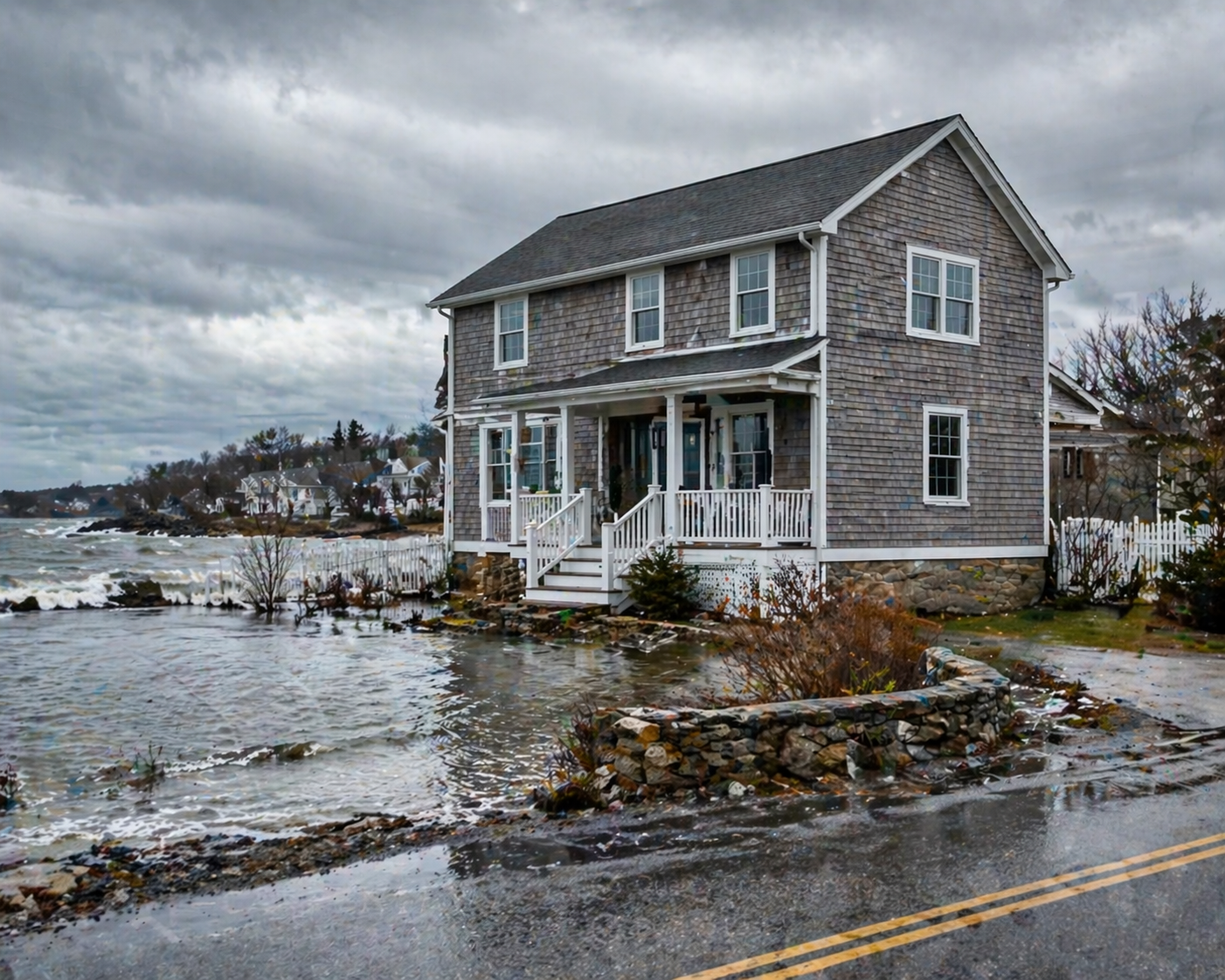
Rhode Island’s coastline is one of its greatest assets — but for homeowners and property managers in coastal and low-lying areas, it also presents real challenges. Rising sea levels, storm surge, and frequent flooding are putting increased pressure on structures in communities like Newport, Narragansett, South Kingstown, Westerly, Charlestown, Jamestown, Bristol, Warren, and East Providence.
If your property is in a flood-prone zone, moving or elevating your building may be one of the most effective long-term solutions.
Why Consider Moving or Elevating a Structure?
For many coastal property owners, repeated flooding isn’t just inconvenient — it can lead to costly damage, insurance issues, and reduced property value. Relocating or elevating a building can:
Protect your home from flood damage
Help meet FEMA floodplain requirements
Lower long-term insurance costs
Preserve historic or valuable structures
Increase property value and usability
Rather than demolishing and rebuilding, structural moving offers a way to save what you already have while adapting to changing conditions.
Common Scenarios in Coastal Rhode Island
We’ve worked with homeowners and contractors across Rhode Island facing a variety of coastal challenges. Some of the most common situations include:
Flood Zone Compliance
Many properties in areas like Narragansett and Westerly are being updated to meet FEMA elevation requirements. Lifting and resetting a structure onto a new, higher foundation can bring your property into compliance.
Storm Damage Recovery
Coastal storms can weaken foundations or shift structures. In towns like Charlestown and South Kingstown, jacking, cribbing, and repositioning a structure can restore safety and stability.
Relocation on Property
Some homeowners choose to move a structure further inland on their own lot — a growing trend in places like Jamestown and Bristol where lot depth allows for repositioning away from flood-prone zones.
Historic Preservation
Rhode Island is rich in historic homes and moving a structure can protect its integrity while relocating it to safer ground.
How the Process Works
Moving or elevating a building is a highly specialized process that requires experience, planning, and precision. Here’s a simplified overview:
Evaluation & Planning
We assess the structure, site conditions, and access points to determine the safest and most efficient approach.Preparation
Utilities are disconnected, and the structure is reinforced as needed.Jacking & Cribbing
Hydraulic jacks are used to lift the structure while cribbing (stacked timber supports) stabilizes it.Relocation or Elevation
The building is either moved to a new location or elevated onto a new or modified foundation.Reset & Final Placement
The structure is carefully set into its new position and secured.
Every project is different, especially in coastal environments where soil conditions, access, and local regulations play a big role.
Local Expertise Matters
Working in coastal Rhode Island requires an understanding of:
Local zoning and floodplain regulations
Soil and drainage conditions
Tight property lines and access limitations
Coordination with contractors, engineers, and municipalities
We have experience working throughout Rhode Island’s coastal communities, helping property owners navigate these challenges with confidence.
Is Moving Your Building the Right Choice?
If your property is located in a flood-prone area, it’s worth exploring your options. Structural moving or elevation can be a cost-effective, long-term investment that protects both your home and your peace of mind.
Let’s Talk About Your Project
Every property is unique, especially along Rhode Island’s coastline. If you’re in Newport, Narragansett, Westerly, Charlestown, South Kingstown, Jamestown, Bristol, Warren, East Providence, or surrounding areas, we’re here to help.
Contact Eastman Building Movers today to discuss your project and learn how we can help you protect and preserve your structure for years to come.